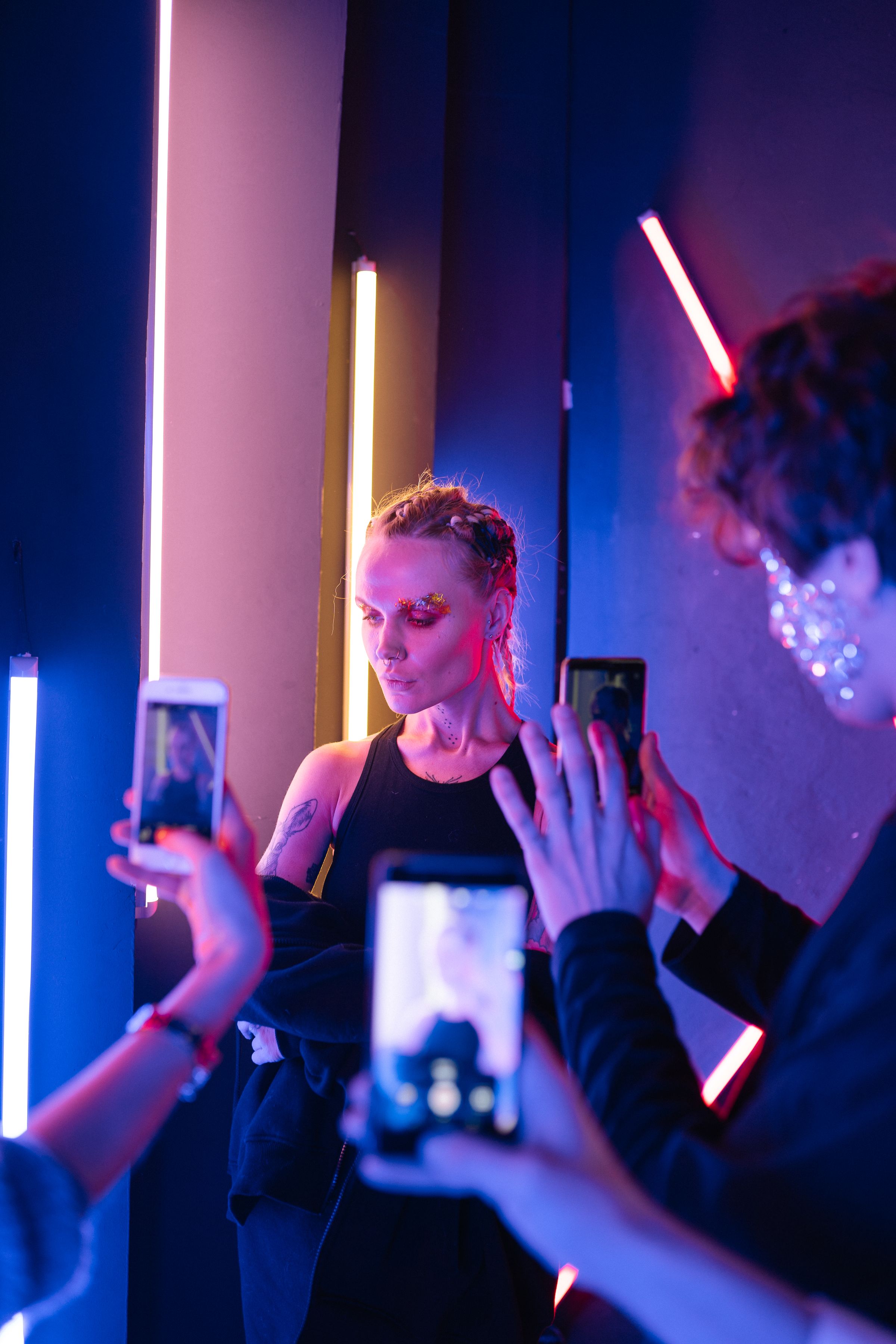

A hosted influencer dinner looks simple from the outside: a long table, a short menu, a room full of phones. Behind the scenes, the part that decides whether it was worth doing happens before anyone sits down and keeps going for weeks after. This is how we plan and measure a creator dinner or launch event at Curated Collective, wherever it takes place. It is written for brand and marketing leads in any city who want an influencer dinner to produce more than a nice night and a few Stories.
Why a hosted influencer dinner still earns its place
Live experiences give people something real to talk about. In Event Marketer's EventTrack 2026 study, 61% of surveyed attendees said they were more inclined to purchase after a live experience, and 59% said they felt more positive about the brand afterward. The same study found that 59% of attendees capture content at live experiences and 82% told friends or family who were not there about their interaction with the brand (EventTrack 2026, Event Marketer). A creator dinner is that effect with a built-in audience: the guests are people whose job is to capture and share.
Word of mouth is the channel that dinner is trying to start. In Nielsen's Trust in Advertising survey, 88% of global respondents said they trust recommendations from people they know more than any other channel (Nielsen, 2021). For restaurants specifically, Toast's survey of U.S. diners found word of mouth was the top way guests discovered a new restaurant, at 38%, and TikTok was the top discovery channel for Gen Z, also at 38% (Toast, 2026).
Two honest limits. These are surveys of stated attitudes and intentions, not proof that any single event caused a sale. And two of them were fielded by companies in the events and restaurant businesses. That is exactly why the measurement plan matters.
Influencer event planning starts with the measurement plan
We write the measurement plan before we book a venue. It fits on one page and answers three questions.
What should change because this dinner happened?
One sentence: a new menu people should book, a product people should try, a space locals should discover. Then one primary metric that matches it, such as reservations through a tracked link, code redemptions, or sign-ups. Views and engagement come second. They tell you whether people saw and cared, not whether the goal moved.
What does normal look like?
We record a baseline before invitations go out: typical weekly reservations or sales for the item, current follower count, and recent engagement on the brand's own posts. Without a baseline, every lift looks like a success.
What is the denominator?
We agree on the estimated dining or product value up front: cost per cover times guests, plus any gift. That number is what campaign EMV gets compared against later, and agreeing on it early stops anyone from inflating or shrinking it after the fact.
Building the guest list for a hosted influencer dinner
Bigger is not automatically better. A Journal of Marketing study of more than 1,700 influencers across more than 800 Instagram campaigns found that engagement improves as follower count rises from low to moderate levels, and that at higher follower counts the positive effect is increasingly outweighed by weaker perceived ties with followers (Wies, Bleier, and Edeling, via AMA).
So we build the list around fit:
- Local reach. For a restaurant or venue, followers who can actually visit matter more than total followers.
- Real comments. Questions from real people, not strings of emojis.
- Disclosure history. How the creator has labeled brand relationships before.
- Format mix. A blend of Reels, carousels, and Stories, so the table does not produce eight versions of the same video.
- Willingness to share first-party analytics. We ask before the event, not after, so reporting can use real numbers instead of estimates.
Disclosure for gifted meals
A free dinner is a material connection. Under the FTC's Endorsement Guides, a connection that might affect the weight or credibility of an endorsement must be disclosed clearly and conspicuously when the audience would not expect it, and that includes free or discounted products, regardless of whether the advertiser requires an endorsement in return (16 CFR 255.5). The FTC's plain-language guide for influencers says to disclose if a brand gives you free or discounted products or other perks, to superimpose the disclosure on Instagram Stories, and to put it in the video itself rather than only in the description (FTC, Disclosures 101 for Social Media Influencers).
In practice, the disclosure line goes into the brief, the follow-up message repeats it, and the report includes a screenshot of the disclosure on every post. This is a summary for marketers, not legal advice.
What we measure during and after an influencer dinner
We collect results in three windows: the night of (mostly Stories), seven days out (most feed posts), and thirty days out (reservations, redemptions, and any reposts or saves that keep building). For each window we track:
- Posting rate: how many guests posted, and in which formats. A gifted dinner rarely comes with a posting requirement, so this is a useful signal of fit in its own right.
- Engagement rate by views: total engagements (likes, comments, shares, saves, and reposts) divided by views, times 100.
- Earned media value: per-post EMV is views x $0.012, likes x $0.60, comments x $5, shares x $3.50, reposts x $6, and saves x $2.50, summed across the campaign content. Story EMV and feed EMV are always shown separately. Our guide to earned media value calculation covers the method and its limits.
- Business signals: tracked link clicks, reservations, code use, and DMs asking how to book, reported in their own section.
- Content worth reusing: posts the brand would want to repurpose, with permission.
For how all of this comes together in a recap, see what a good influencer campaign report should include.
Write the measurement plan before you book the venue. The dinner is the easy part.
A hypothetical creator dinner, measured
These are hypothetical numbers for illustration only, not results from any brand, creator, or event. A restaurant hosts six creators for a tasting menu with an estimated dining value of $175 per cover, so the dining value is $1,050. All six post Stories that night; three post to the feed.
- Creator A, feed Reel: 24,000 views, 1,100 likes, 60 comments, 80 shares, 10 reposts, and 220 saves. Engagements are 1,470, an engagement rate by views of 6.13%. EMV = $288 + $660 + $300 + $280 + $60 + $550 = $2,138.
- Creator B, feed Reel: 15,000 views, 640 likes, 38 comments, 45 shares, 4 reposts, and 130 saves. Engagements are 857, a rate of 5.71%. EMV = $180 + $384 + $190 + $157.50 + $24 + $325 = $1,260.50.
- Creator C, feed carousel: 8,000 views, 480 likes, 25 comments, 18 shares, no reposts, and 95 saves. Engagements are 618, a rate of 7.73%. EMV = $96 + $288 + $125 + $63 + $0 + $237.50 = $809.50.
- Stories, all six creators: 20,000 views, 90 likes, and 40 shares. Story EMV = $240 + $54 + $140 = $434.
Feed EMV is $4,208 and Story EMV is $434, for a total campaign EMV of $4,642. Against the $1,050 dining value, that is an EMV multiple of about 4.4x. That multiple is not ROI. In the same hypothetical, reservations made through the tracked booking link are reported separately, next to the baseline, so the restaurant can see whether bookings actually moved. Creator C had the fewest views but the highest engagement rate, which is a reason to invite them back.
Lessons we keep coming back to
- The night protects the content. A packed shot list makes for stiff posts. Guests who are enjoying themselves film better.
- Give people a story, not just a plate. A short introduction from a chef, founder, or product lead gives creators something to say in their own words.
- Ask for analytics before the event. Asking afterward leaves you with estimates.
- Separate attention from outcomes. EMV and engagement rate describe attention. Reservations and sales get their own section, compared with the baseline.
- Follow up within a day. A thank-you with the handle, the disclosure reminder, and the link makes posting easy for guests who want to share.
- One dinner is a test. The best result is often finding two or three creators worth a longer relationship.
If your event is in Miami, our behind-the-scenes guide to planning an influencer event in Miami covers invitations, briefs, and run of show for that market. For a restaurant-specific view of a bigger city, see influencer marketing for New York restaurants.
Influencer dinner FAQ
What is an influencer dinner?
A hosted meal where a brand invites a small group of creators to experience a menu, product, or space, usually as guests rather than paid partners, with the hope that they share it with their audiences.
Do influencers have to disclose a free meal?
Yes. Under 16 CFR 255.5, free or discounted products are a material connection that must be disclosed clearly and conspicuously when the audience would not expect it, even if no post was required. The FTC's Disclosures 101 guide says to superimpose the disclosure on Stories.
How do you measure an influencer dinner?
Track posting rate, engagement rate by views, and EMV per post, with Story and feed EMV shown separately, then report reservations, link clicks, and code use against a pre-event baseline in their own section.
Is an EMV multiple the same as ROI?
No. An EMV multiple compares the estimated media value of the content with the dining or product value. ROI needs revenue or profit attributable to the event, which is measured separately.
Sources
- Event Marketer, EventTrack 2026: Experiential Marketing Forecast and Benchmark Study, executive summary (PDF)
- Nielsen, "Beyond martech: Building trust with consumers and engaging where sentiment is high" (2021)
- Toast, "How Guests Discover New Restaurants in 2026" (February 2026)
- Wies, Bleier, and Edeling, "Finding Goldilocks Influencers," Journal of Marketing, via American Marketing Association summary (2022)
- FTC Endorsement Guides, 16 CFR 255.5 (eCFR)
- Federal Trade Commission, "Disclosures 101 for Social Media Influencers"
If you are planning an influencer dinner or launch event in any city and want a measurement plan, guest list, and report built this way, get in touch with Curated Collective or write to info@curatedcollective.agency. Creators who want to be considered for hosted events can learn about our creator membership.