
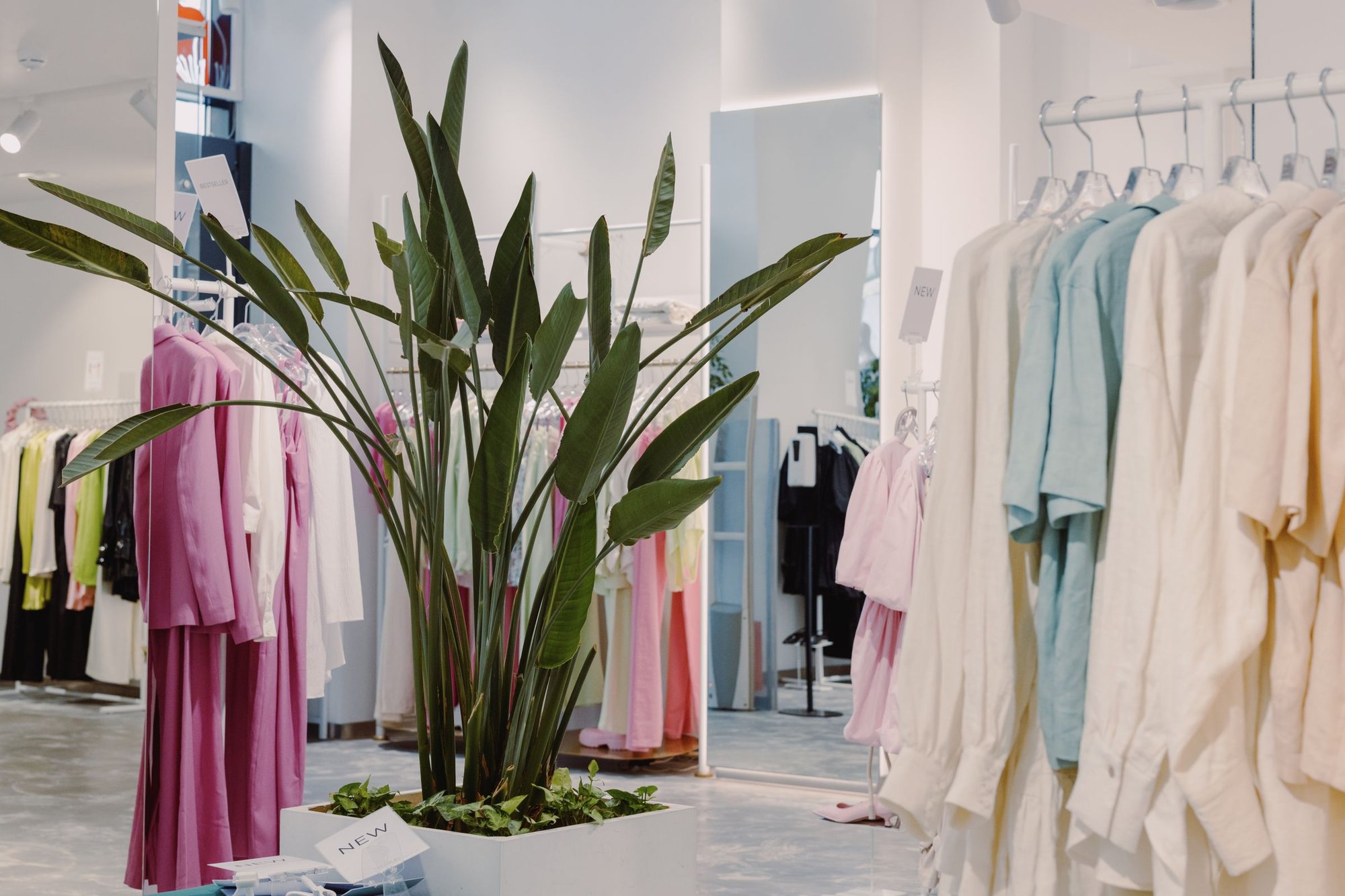
Independent boutiques already create a kind of content every day: a fitting, a new window, a customer who came in for one piece and left wearing three. User-generated content, or UGC, is simply that activity captured with permission and used on purpose. It does not require a studio, a campaign slogan, or a famous name. It does require a habit.
This guide is for Miami shop owners and managers who want clothing, jewelry, home, or beauty products to show up in real rooms and on real people, not only in polished lookbook photos. The same ideas apply whether you are on Lincoln Road, in the Design District, in Wynwood, in Coral Gables, or in a smaller neighborhood street where regulars know the door.
User-generated content, or UGC, is simply that activity captured with permission and used on purpose.
First, separate UGC from influencer posts
People use these terms as if they were the same thing. They overlap, but they are not identical. An influencer post is content a creator publishes to their own audience, often as part of a paid or gifted collaboration. UGC is content you can use on your channels: your Instagram, your site, your email, or, with the right permission, your ads. Sometimes one piece of work is both. Often it is not.
That distinction matters because the rights are different. A tagged photo from a customer is not automatically yours to crop, run as an ad, or add to a product page. A creator who posts a Reel on their account has not, by default, given you a commercial license. If you want to reuse something, ask. A short written yes, even in email or a direct message, is much easier to work from than a verbal "of course" you cannot find later.
You may already have more raw material than you think
Start inside the shop before you start outreach. Look at the photos customers have already tagged you in. Look at the videos your team takes when a delivery arrives or a display comes together. Look at the way regulars style a piece once they get it home. A month of that, gathered carefully, is a library.
When you ask a customer whether you may share their photo, be specific. Tell them where it would appear, and offer to credit them the way they prefer, including the option not to be named. Never pressure someone in the fitting room or at the register. The request should feel like a compliment, not a transaction they have to complete to leave.
Staff photos can help too, as long as the people in them are comfortable being shown and the images look like your actual store. Customers can tell when a feed is only mannequins or only borrowed lifestyle shots from a brand book.
When it does make sense to invite a creator in
There are moments when customer content is not enough: a new collection, a seasonal window, a launch that needs more than a single flat lay. That is when a local creator, or a small group of them, can be useful.
Choose people whose style already sits near yours. If you sell considered, tailored pieces, a creator who only films haul videos of fast fashion may bring attention without bringing the right attention. If you sell beachwear or jewelry meant to be worn out in the city, look for someone who actually shoots in Miami light, not only in a studio.
A first invitation can be simple. Offer a store credit or a borrowed look for a set window of time, plus a written brief, in exchange for specified content and usage rights. If you prefer to pay a fee instead of gifting product, say so. Many independent shops do a little of both. What you should not do is leave the terms vague and hope the content appears.
Write a brief that helps them style the shop
Creators do better work when they know what you are trying to show. A brief for a boutique can include:
- The two or three pieces or stories you most want in frame, and any sizes you can reliably have ready.
- The feeling of the shop: quiet and editorial, colorful and informal, evening-ready, or built for daytime errands in the heat.
- Places you are happy for them to shoot, including the doorway, a nearby street, or a fitting area that is not in use.
- What you do not want: other guests in the background, messy stock rooms, or claims you would not make yourself.
- The deliverables, the posting window, and whether you may reuse the files in organic posts, on the website, or in paid ads, and for how long.
- How they should disclose a gift, a loan, or a payment.
Leave styling room. The point of UGC is that it does not look like a catalog. If you need e-commerce images on a plain background, shoot those separately. Do not ask one creator visit to be both a lookbook and a product-spec sheet.
Build a library, not a single burst of posts
The shops that get the most from UGC are the ones that keep it organized. Create a simple folder for every approved asset: the original file, the permission, the date, and where you have used it. When you need a new arrival post or a homepage image, you should be able to find something that still feels current.
Rotate the work. A single pretty Reel, used everywhere for months, starts to feel stale. A modest stream of customer photos, staff snapshots, and a few planned creator visits will usually look more like a living shop.
Watch for gaps. If every image is a dress on a Saturday night out, you may be underselling daytime pieces. If everything is shot in hard midday sun, you may be missing the softer evening versions of the same rack. You do not need a formal report to notice this. You need to look at the grid the way a new customer would.
Common mistakes that waste a good visit
The most frequent problem is asking for content and then never using it. If someone has gone to the trouble of shooting in your shop, get the files, thank them, and put at least one piece to work while it still feels fresh.
The second is choosing partners only because they have a large following. As with restaurants, a smaller local creator who dresses in a way your customers recognize is often more useful than a distant account with impressive numbers.
The third is publishing photos with no next step. Even a simple line, such as the name of the piece, the neighborhood, or that it is available in store this week, helps a viewer act. UGC should still be honest. It should also be findable.
Related reading: planning holiday gift sends to creators this season? Our holiday influencer marketing guide for Miami brands covers who to send to, how to brief them, and who owns the content afterward.
Related reading: for the creator side of usage rights and pitching, see our guide to a media kit for Miami influencers that brands actually read.
If you want help setting up a simple content pipeline or briefing creators for a collection, get in touch.